













Last Monday, Sen. Rand Paul drew attention to an overlooked detail inside the House’s April 20, 2024 vote on the Ukraine Security Supplemental Appropriations Act, 2024 (H.R. 8035).
This bill was for appropriations beyond weapons and foreign assistance, the bill included $481 million for the federal “Refugee and Entrant Assistance” account.
That account, under the supervision of HHS’s Administration for Children and Families, funds benefits and services for eligible populations including refugees, asylees, certain “entrants,” unaccompanied alien children, and other special populations, such as some trafficking victims. (RELATED: Tiffany Targets Evers’ “400-Year Veto” as Property Tax Bills Spike Across Wisconsin)
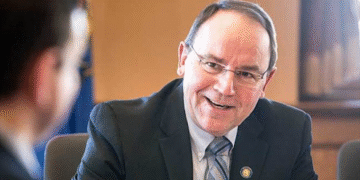
The House passed H.R. 8035 311–112. All voting Democrats supported it, while Republicans split. Despite online claims that Wisconsin House Republicans didn’t vote against the refugee-related funding, the official roll call shows the opposite: five Wisconsin Republicans voted “Nay,” and one voted “Yea.” Bryan Steil, Scott Fitzgerald, Glenn Grothman, Tom Tiffany, and Derrick Van Orden voted against the bill, while Mike Gallagher voted for it. This shows that Wisconsin’s GOP delegation did not simply go along with “more tax dollars to refugee welfare.”
The “refugee welfare” has become controversial because the Ukraine measure was part of a larger, high-stakes foreign aid package. The House vote came amid a broader $95 billion national security aid package (Ukraine, Israel, and Indo-Pacific) that leadership propped up as a must-pass response to global events.
For voters focused on household priorities, this money flowing to support other countries is viewed as money taken away in taxes. They see it as Washington can move hundreds of millions quickly for refugee and entrant programs while many domestic needs feel permanently “pending.”
The description of the account emphasizes it supports resettlement-related services and care for unaccompanied children, but it’s still U.S. taxpayer funding directed toward non-citizens. A highly debated topic in a time when Americans face high housing costs, strained personal finances, and tight state budgets. (RELATED: Wisconsin Governor Race 2026: Crowley Leads Democrat Fundraising Surge)