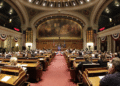













The Wisconsin Assembly on Thursday overwhelmingly approved a package of nuclear energy incentives, positioning nuclear power as a higher priority in the state’s energy policy and signaling bipartisan interest in expanding low-carbon electricity as demand surges from large users such as data centers.
The legislation, authored by Shae Sortwell and Jesse James, would provide up to two decades of tax credits for companies building new nuclear plants in Wisconsin. For the first 10 years, qualifying facilities would receive annual $10,000 credits, with the value declining by $1,000 each year thereafter.
Lawmakers passed the bill 86–11, drawing strong support from both parties. Supporters said the measure could help launch a “nuclear renaissance” as Wisconsin confronts rising electricity demand tied to data center development, according to Wisconsin Public Radio.
Beyond tax credits, the bill would elevate nuclear power within state law by adding it to a new “low-carbon-emission resource” definition alongside wind and solar. It would also authorize the Wisconsin Public Service Commission to approve tariffs designed to prevent residential customers from bearing the costs of supplying electricity to large industrial users.
During Assembly debate, Sortwell emphasized that the credits are limited in scope. He said they would offset costs associated with relicensing facilities through the federal Nuclear Regulatory Commission, not subsidize construction or power generation. (RELATED: Wisconsin City Argues Absentee Voting a ‘Privilege’ in Missing Ballot Case)
“It’s not exactly what Shae Sortwell would write if I could make it exactly what I want,” he said. “But this is a bill that had a lot of cooperation and collaboration with a whole lot of interested parties.”
Some lawmakers raised concerns about cost and risk. Angela Stroud, who ultimately voted for the bill, warned that nuclear plants are “extremely expensive to build” and said ratepayers could be exposed if projects go over budget. (RELATED: Wisconsin Joins Lawsuit Urging ICE to Scale Back Minnesota Operations)
“Right now, we are giving the richest companies in the history of the world tax breaks, that is taxpayer dollars, to build data centers while their profits soar,” Stroud said. “Unlike data centers, when it comes to utilities, it’s the public that’s on the hook if we don’t get it right.”
Opposition also came from an unusual coalition that included conservative group Americans for Prosperity, environmental organization Clean Wisconsin, and the utility watchdog Citizens Utility Board. Critics warned the policy could enable utilities to shift cost overruns to residential and small business customers.
Sortwell pushed back, accusing Americans for Prosperity of being “dishonest” and noting the group is funded “by those with a large stake in fossil fuels.” In a statement, he said, “It is a sad day when an organization that claims to support liberty joins the fight with far-left environmentalists to shut down direly needed energy supply expansion.”
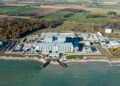
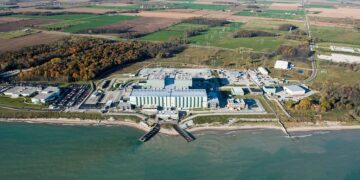
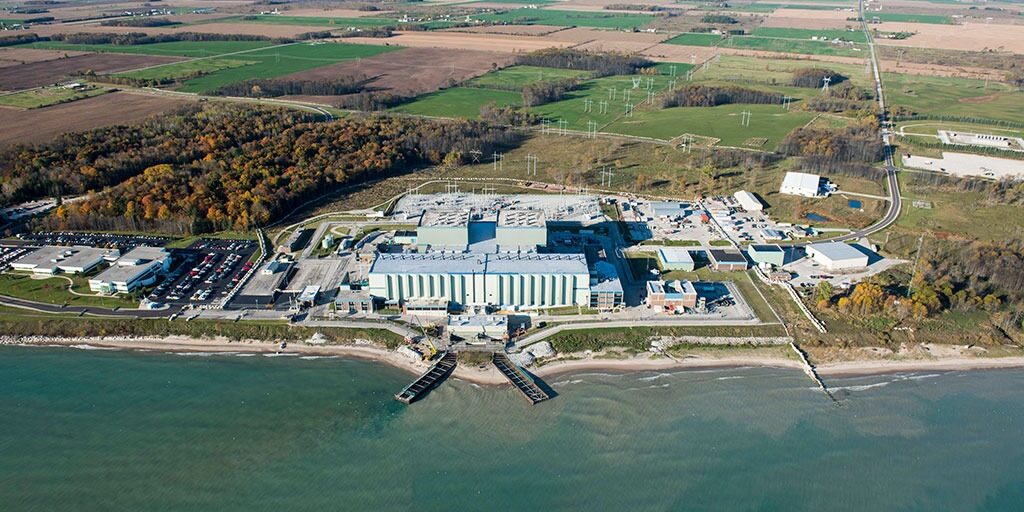
The bill follows a series of recent pro-nuclear actions in Wisconsin. Tony Evers signed a state budget last summer that included $2 million for a nuclear feasibility study, along with legislation creating a nuclear power summit board and directing regulators to study potential reactor sites. Wisconsin currently has one operating nuclear facility, the Point Beach Nuclear Plant in Two Rivers.