












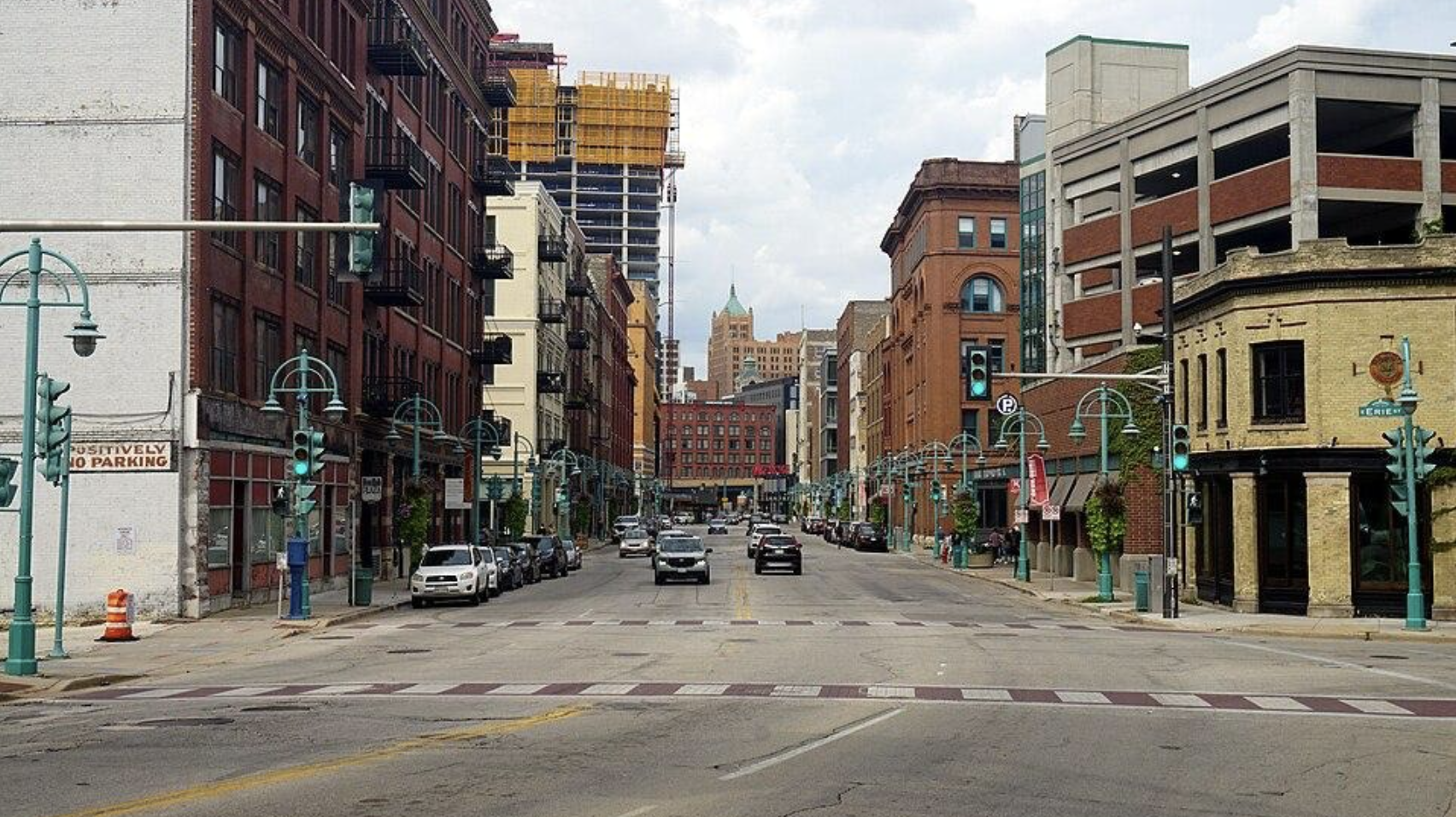
This month, a Milwaukee Alderman has restricted the food trucks in the downtown entertainment district to stop selling three hours earlier due to what the city said is recent violence.
The ordinance, sponsored by Alderman Rober Bauman, required food truck to stop selling food at 10 p.m., three hours earlier than the 1 a.m. cut off. This measure passed the Common Council by unanimous decision in April, and was signed in a day later by Mayor Johnson.
However, the curfew is blocked, for now. There has been a lawsuit filed against this ordinance to abolish it altogether. A Milwaukee County judge placed a temporary injunction on the 10 p.m. enforcement while litigation continues. (RELATED:Milwaukee Residents Face Rising Costs, School Failure and Police Staffing Crisis)
The lawsuit was brought by the Wisconsin Institute for Law & Liberty (WILL) on behalf of Abdallah Ismail, owner of the Fatty Patty food truck. Ismail’s food truck operates in multiple parts of Milwaukee, including Water Street, which has seen an increase in violence recently. The WILL argument stipulates the ordinance violates constitutional protections by restricting a person’s right to earn a living and by treating food trucks differently from bars and brick-and-mortar restaurants who may continue to serve to the late-night crowd.
Vanessa Gonzalez, the owner of Mr. Taco food truck, says that most of her business comes between 10 p.m. and 1 a.m. “About 80%,” she says. “So by them stopping that, that’s a lot. That’s almost like you telling me I might as well just close this down.”
In response to some of the outrage, Alderman Bauman said “The bricks and mortar bars do a pretty good job of security. They’re not the problem,” he said. “It’s these crowds of loitering underage people that seems to be the problem. Again, this is what MPD tells us — our law enforcement experts.” (RELATED:Ron Johnson Presses COVID Vaccine Oversight Probe Amid Cancer Safety Claims)
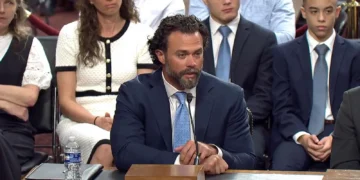
However, the city never provided clear evidence that the food trucks sparked this violence, or that the violence itself was incited by food truck goers. Also, this ordinance was supported by MSOE representative Kendall Breuing, who before this matter, had major interest in the development of surrounding areas, restaurant interests, and involvement with multiple investors looking to develop real estate.
Breunig had already told the city a lot about his development interests when he wanted an appointment to the Architectural Review Board. However, when he appeared months later in support of the food truck ordinance, he did not mention that background. Merely showing up as an institutional representative of MSOE. Breunig had not responded to questions posed before the publication date.