












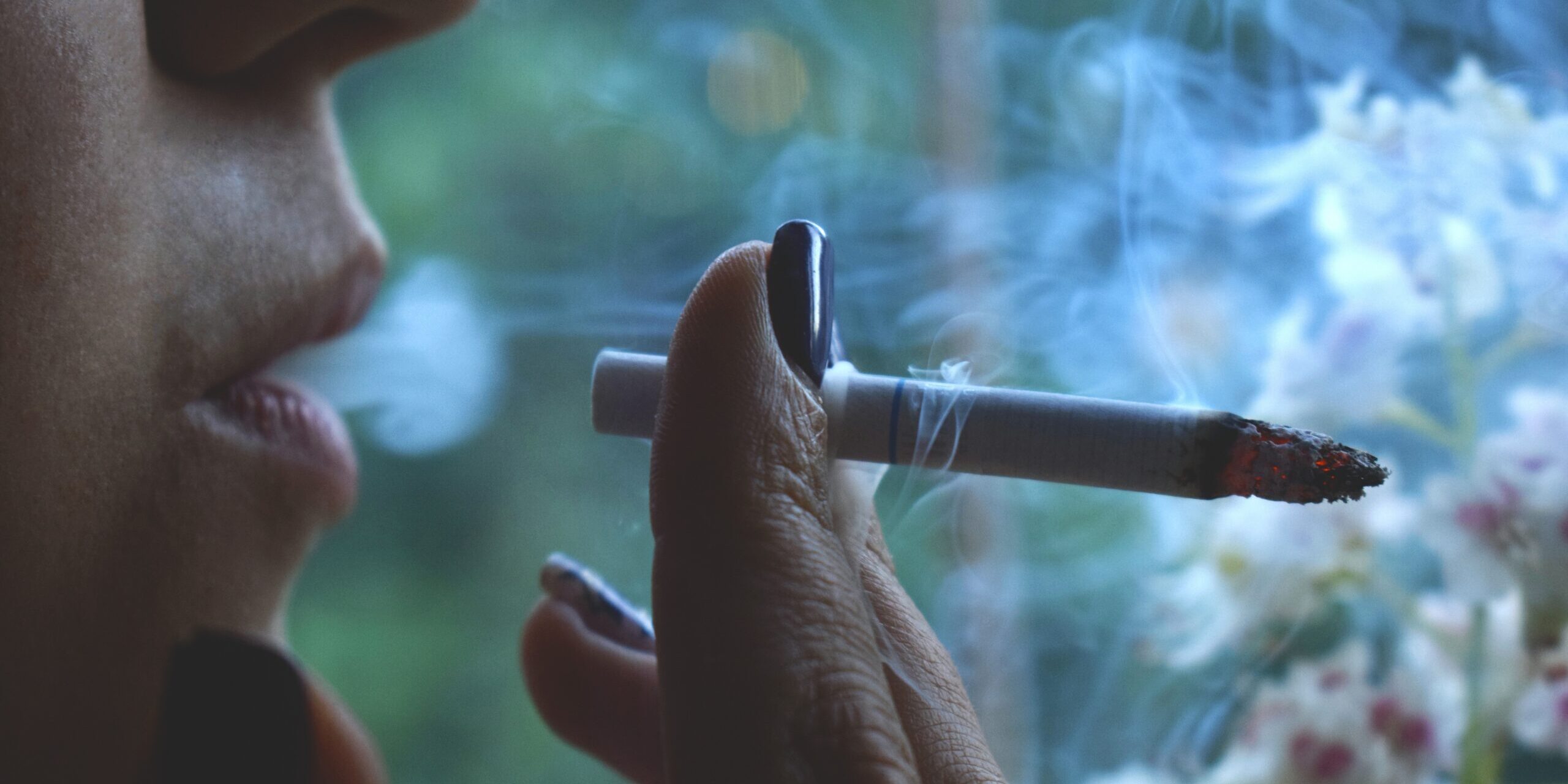
The Trump administration took a significant step Thursday, reclassifying medical marijuana from a Schedule I controlled substance — the most restrictive federal category — to the less-restrictive Schedule III designation. The directive, issued by Acting U.S. Attorney General Todd Blanche, stops short of full federal legalization but marks a meaningful shift in Washington’s approach to cannabis.
The order applies to FDA-approved marijuana products and state-licensed medical marijuana programs. In Wisconsin, which remains one of a shrinking minority of states where marijuana is illegal for both recreational and medicinal use, the practical impact is limited — for now.
But advocates say the momentum matters. Rob Pero, president of the Wisconsin-based Indigenous Cannabis Industry Association and co-founder of the Wisconsin Wellness Coalition, believes the federal move could soften resistance at the state Capitol. “This really relieves a lot of pressure on our Legislature, even those that were very conservative in regards to their opinion of this plant,” Pero said. “This will swing and build momentum for Wisconsin.”
Blanche noted that the rescheduling “allows for research on the safety and efficacy of this substance, ultimately providing patients with better care and doctors with more reliable information” in states with legal medical programs.
Pro-legalization voices across Wisconsin are cautiously optimistic. Jay Selthofner, founder of the Wisconsin Cannabis Activist Network, called the order “a step in the right direction,” though he noted that “rescheduling is not legalization.” (RELATED: Wisconsin Governor Sides With Porn Industry Over Kids, Vetoing Age Verification Bill Backed By Both Parties)
Separately, the Trump administration is also accelerating a broader reclassification process — started under Biden — that could eventually move all marijuana, including recreational use, from Schedule I to Schedule III. An administrative hearing on the matter is scheduled for June 29.
Wisconsin residents shopping at CBD and THC stores operating under a hemp loophole in the 2018 federal farm bill should also be aware: that loophole is expected to close this fall when new federal definitions of hemp take effect. (RELATED: BEHIND THE CURTAIN: Wisconsin Lt. Gov. Rodriguez Vows Secret Budget Deals If Elected Governor)