












UW-Madison added 5,000 disability cases in nine years. UW-Oshkosh nearly septupled its rate. Across the UW system, professors say the numbers don’t add up.
Universities across the country have noticed a spike in students reporting their disabilities. This reporting allows students to get special accommodations on exams, homework, and other work that may need some sort of latitude from the proctor.
These spikes in disabilities have been across all levels across the country. At universities such as Brown and Harvard, they have reported that over 20% of their student body has now reported as having some sort of disability. At Stanford, 38% of students registered themselves with a learning disability. This means 1-in-8 students will receive accommodations in this next year.
According to a quote from the New York Post, a professor from a west coast state school said that this is a way that wealthy people can help get their child through prestigious colleges if they don’t actually have a disability. “Almost anyone can get an accommodation. You just have to hire someone to do an assessment and write up a report,” said the professor.
This loophole has been exploited across the nation, in some of the wealthiest zip codes in America. The combination of admissions coaches, private tutors, and the addition of a special disability designation has disproportionately placed students who likely do not actually have a disability, into specially accommodated classes. (RELATED: Activist Judge Sides With Trans Lobby, Overrules Kennedy’s Youth Protection Order)
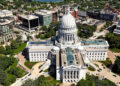
In Wisconsin, the UW system has also seen a significant increase in these reported cases. From 2015 to 2024, UW-Madison has recorded a 5,000 student increase in reported disabilities. Also, UW-Oshkosh also reported an increase of nearly 13%, going from 2% in 2014, to 15% of the enrollment in 2024.
When a student reports that they are “disabled,” they are given particular accommodations that allow them to complete certain tasks. These accommodations include: extra time on tests/exams, extended deadlines on projects and homework, alternative housing, extended attendance flexibility and more.
In the UW system, “psychological” disabilities make up 40% of reported cases. This does not include “ADHD”, “learning disabilities” and “Autism,” which total up to another 35%. (RELATED: Trump’s Education Department Investigates Wisconsin School District Over Transgender Bathroom Policy)
Professors are concerned that some of these students who are reporting these disabilities are not actually disabled. The worry is that students are merely taking advantage of a system that was designed to level the playing field for people with actual disabilities.