





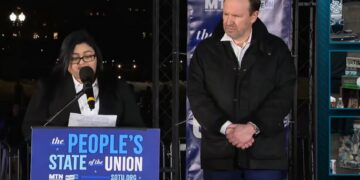



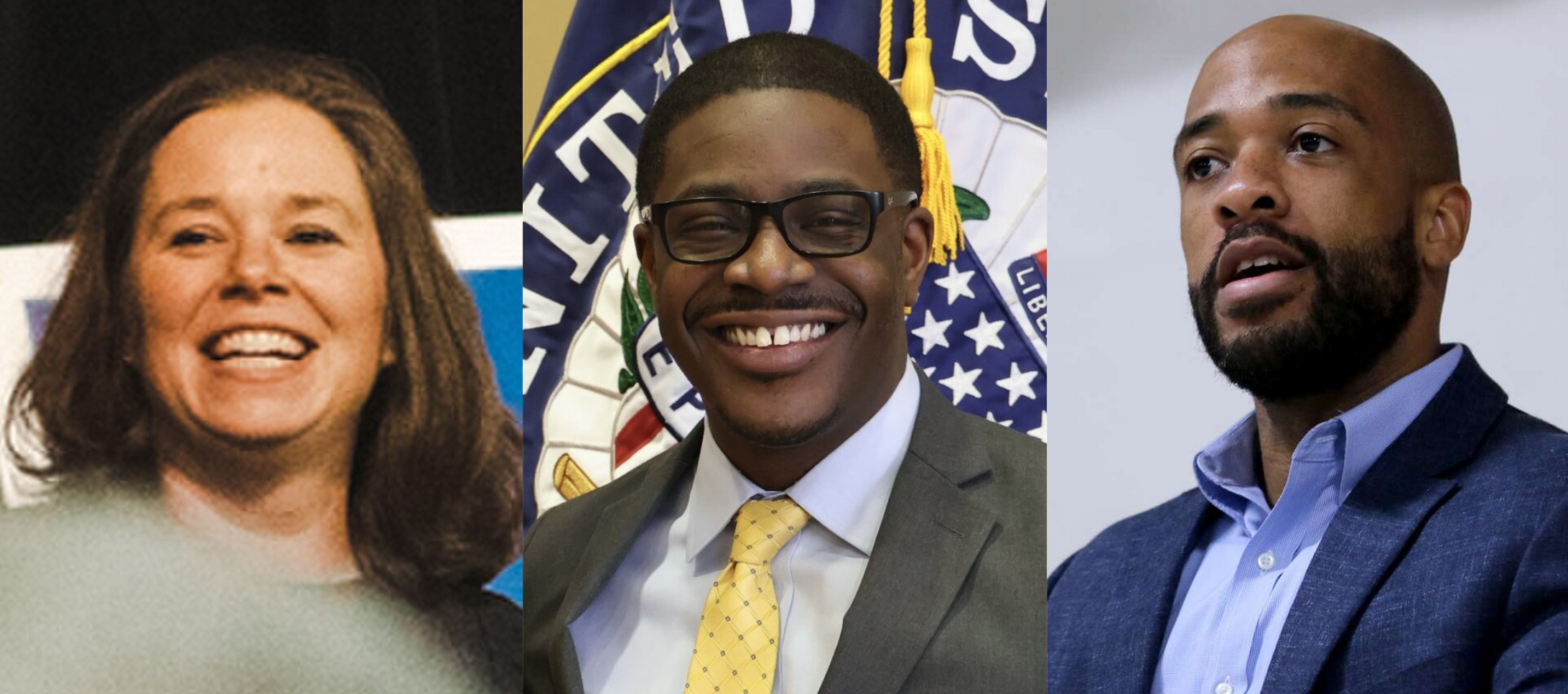
Milwaukee County Executive David Crowley has jumped to the front of Wisconsin Democrats’ wide-open governor’s race, out-raising the rest of the field with more than $800,000 as early fundraising reports show the party’s candidates all pulling in strong six-figure hauls.
According to the report, Crowley’s total included about $138,000 in contributions to his county executive account that he transferred to his campaign for governor. Seven contributors even gave the maximum $20,000 donation allowed in the governor’s race, including executive of the Milwaukee Bucks Alex Lasry.
Crowley is running a populist-focused campaign for the working class. He promises to lower costs for working families.
“I’m running for Governor because I know what it’s like to struggle — and I’ve spent my life fighting to make sure no one gets left behind. Every Wisconsinite, no matter where they live, deserves opportunity, safety, and a government that works. That’s what this campaign is about — delivering for all of us,” Crowley said.
The next fundraising competitor is Lt. Gov. Sara Rodriguez, who launched her campaign in July, becoming the first Democratic candidate in the race. She has raised over $618,000. The Democratic Lt. Governors Association pledged in October to invest $2 million in independent expenditures in 2026 to support Rodriguez’s campaign. For the PAC, this investment marks the largest commitment made to a Wisconsin gubernatorial candidate in this cycle, and the largest commitment the DLGA has made to a Lt. Governor running for higher office.
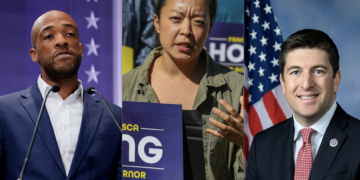
Further down the list of Democratic fundraisers is Former Department of Administration Sec. Joel Brennan, who was the latest candidate to launch a campaign, reportedly raised just over $566,200. Since launching his campaign on December 2, Former Lt. Gov. Mandela Barnes raised $555,647 from a wide set of 3,790 donations. According to his campaign finance report, he received donations of the maximum $20,000 from superpatrons George and Alexander Soros. Amongst his list of policy goals he proposes additional emergency funds and startup grants to address Milwaukee food deserts.
Former Wisconsin Economic Development Corporation CEO Missy Hughes, who was favored by Gov. Tony Evers, reported raising over $465,403. Wildcard candidate, State Rep. Francesca Hong (D-Madison), a Democratic socialist, raised $368,685, according to her report. Her entrance into the race in late 2025, inspired a grassroots momentum with fundraising coming in from over 7,300 donors. According to her campaign, the average donation was $49.96 and about 75% of the total dollars raised came from donors in Wisconsin. Rounding out the Democratic field, State Sen. Kelda Roys (D-Madison) raised over $355,455 in donations.
On the GOP side, U.S. Rep. Tom Tiffany, who launched his campaign in September, leads the GOP candidates, with over $2 million raised – the most of any candidate. According to his campaign finance report, Tiffany raised $2,122,489 with $20,000 each from Republican benefactos Diane Hendricks, Dick Uihlein and Liz Uihlein. According to the report, the largest donation was $86,000 from the Wisconsin Federation of College Republicans. Wisconsin state law allows for unlimited donations from political parties to candidates.
His Republican opponent, Washington County Executive Josh Schoemann, who launched his campaign in early May, reported raising nearly $1 million over the course of the year. During the campaign finance reporting period from July to December, he brought in $535,650 in donations.
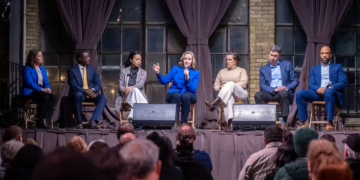
On a national level, Democrats see the potential for Wisconsin as a critical swing state, which have intensified the gubernatorial races. They have attracted national attention and widespread donations, including from liberal PACs, making candidates seem more integral to national party success. The race has had a grassroots momentum with unorthodox candidates like Democratic Socialist restaurateur Francesca Hong. Moreover, Wisconsin law allows billionaires to donate unlimited funds to state parties, which can then funnel unlimited money to candidates, and this accounts for a large sum of the money on both the GOP and Democratic sides.
This groundbreaking election has drawn a wide field of candidates, particularly on the Democratic side, with no incumbent running. Many see this as the opportune chance for Democrats to seize the lead in the state.
In Wisconsin’s 178 years as a state, The Badger State has never gone more than eight years without a Republican Governor. This historic election promises a potential upset for challengers on all sides of the aisle. Beyond that, the diverse set of candidates could draw a particularly robust voter population leading to Wisconsin’s potentially first sitting congressional member, Black, female, or Asian-American governor.