








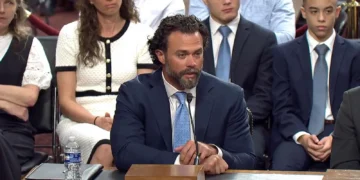





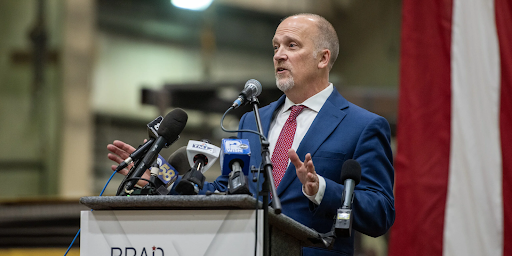
On Sunday, Former AG Brad Schimel was named interim U.S. Attorney for the Milwaukee‐area district, taking on responsibility for federal cases in the Eastern District of Wisconsin.
In 2014, Schimel won election as Wisconsin’s 44th Attorney General, succeeding J.B. Van Hollen. During his tenure, he pursued conservative legal priorities. For example, his office joined a 20-state coalition to challenge the Affordable Care Act at the federal level.
He also advocated for a return to the Wisconsin abortion statute and appealed rules requiring admitting privileges for abortion providers. Additionally, while his administration secured federal grants and moved to reduce the backlog of untested sexual assault kits. (RELATED: Wisconsin Moves Toward Digital Driver Licenses—But Privacy Critics Pump the Brakes)
After losing the AG reelection race in 2018 to Democrat Josh Kaul, Schimel was appointed by Governor Scott Walker to the Waukesha County Circuit Court beginning January 2019. He later ran for a seat on the Wisconsin Supreme Court in 2025, as the conservative challenger to Democratic candidate Susan Crawford. In the race that broke records for spending, he lost to Crawford who spent over $100 million.
With his appointment as interim U.S. Attorney for the Eastern District of Wisconsin, Schimel is now stepping into his first federal role that could change where he spends the rest of his career. The move serves both as the continuation of his law path and presence in Wisconsin’s legal‐political landscape. (RELATED: Wisconsin Judge Unlawfully Joins Partisan Anti-Trump Protest)
In his new position, Schimel is expected to take on significant authority over federal prosecutions involving violent crime, drug trafficking, public corruption, and major financial offenses across eastern Wisconsin.
Schimel will likely emphasize tougher sentencing, expanded cooperation with local police departments, and a renewed focus on restoring public trust in federal justice operations.
Schimel will be replacing Gregory Haanstad. Haanstad held the role until February when President Donald Trump removed him and other Biden-era appointees.