
















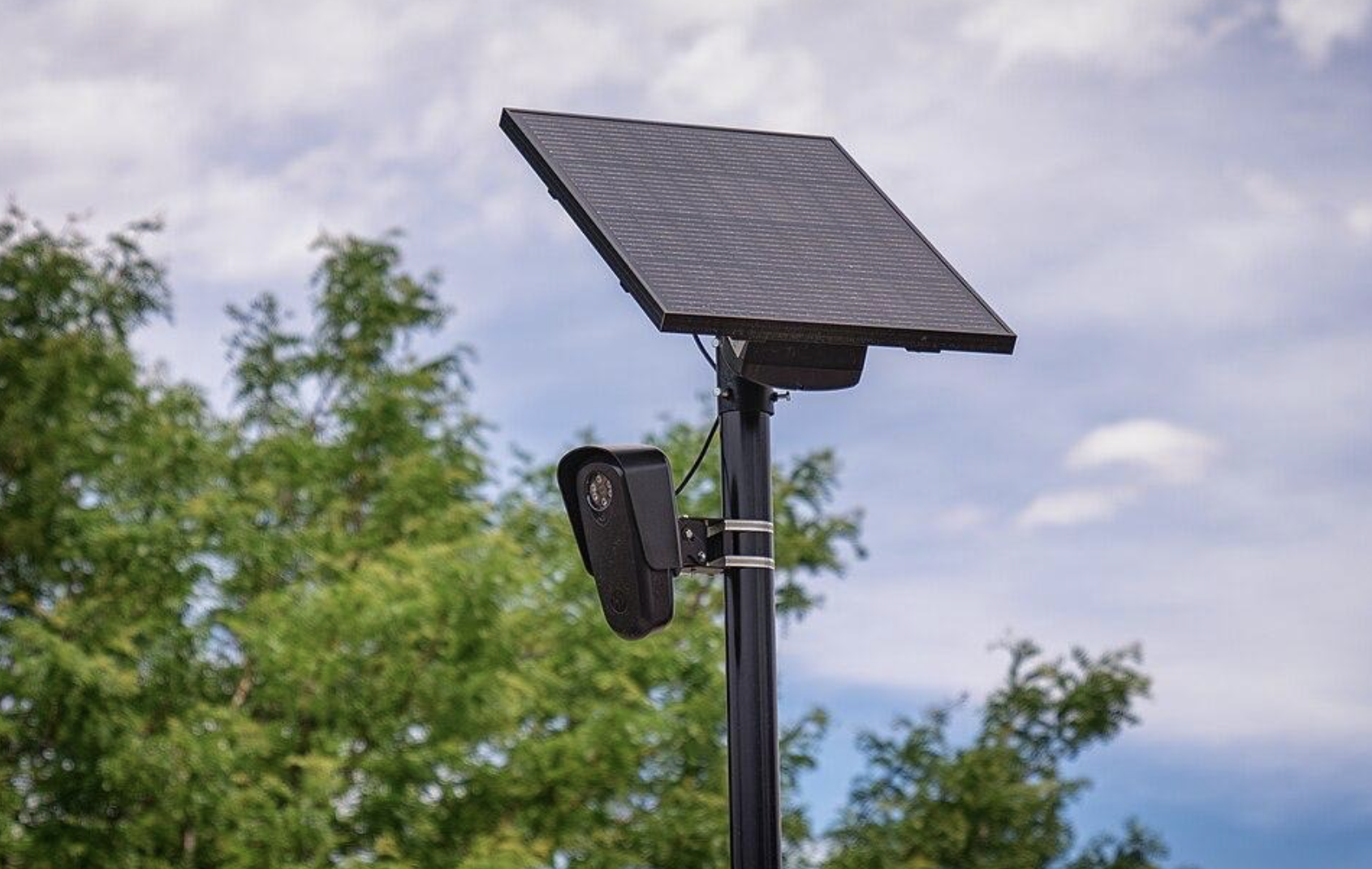
This week, Fitchburg City Council voted unanimously to cancel its remaining Flock Safety contract or turn off the cameras within 120 days. This comes amid concern around the state regarding the privacy these cameras offer.
The cameras, made by Atlanta-based Flock Safety, take pictures of license plates and other vehicle details such as make, model, visible damage, bumper stickers and color. Authorities say that the information provided can help identify vehicles involved in crimes, including stolen cars or wanted suspects. Sun Prairie Police Chief Ryan Cox defended these cameras calling them an “immediate force multiplier,” claiming it helps officers quickly locate cars connected to crimes.
However, Flock has had issues regarding security and privacy. The city “cannot definitively demonstrate that Fitchburg data is not being accessed, directly or indirectly, for immigration enforcement purposes, and will never be able to under Flock’s current model,” said Ald. Micah LaDousa, 4th District. LaDousa wrote a referral to the committee arguing for the withdrawal from using Flock Technology. (RELATED: Wisconsin Gas Tax Relief Unlikely as Evers Rejects Possible Relief)
In her report, she says Flock offers features that use artificial intelligence to identify vehicles. She also included the company’s recent issues with data security and their legal challenges over its collection of vehicle data. LaDousa said Fitchburg has two active Flock Cameras, and two more that are turned off because the contract was not renewed.
Alderman Joe Maldonado, 1st District, said that the decision was made because of Flock’s “unethical practices.” Around the Madison area, there has been concern about the technology infiltrating communities. Especially because this technology can create a “mosaic” of a person’s movements, associations, and routines effectively tracking them without their knowledge. (RELATED:Tom Tiffany Tells Graduates to Find Jobs AI Can’t Replace)
Flock says its customers own their license plate reader data, choose whether to share it, and that default retention is 30 days unless a customer’s law or policy requires a different schedule. The company also said that it does not sell customer LPR data for commercial purposes and uses significant cybersecurity safeguard.