











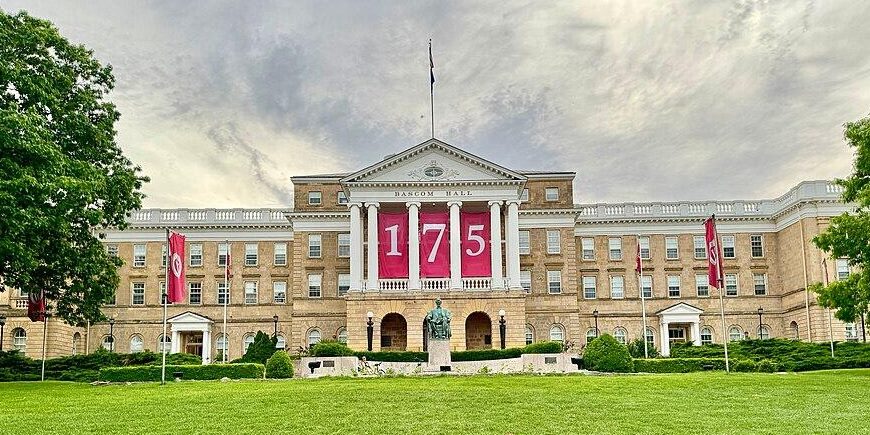
This week, the UW System Board of Regents approved yet another tuition increase, their fourth increase in four years.
The UW Board of Regents voted 15-1 to approve a two percent increase in resident undergraduate tuition for the 2026-2027 school year. The plan also includes an increase of segregated fees, an average increase of about 3.5 percent. Total resident undergraduate tuition across all the four-year campuses is expected to rise by about 2.5 percent.
At the UW system’s two largest schools, UW-Madison will increase their tuition to $12,416 and UW-Milwaukee will be $11,153 for the 2026-2027. UW-Parkside will become the cheapest institution to attend across the system costing $8,851, tuition and fees all included.
The Board of Regents said the increase was only a modest response to the rise of inflation and operating costs. The Board also said that the tuition hike is below the current inflation rate and will help campuses maintain affordability while covering costs. They also added that the non-resident tuition will rise at a commensurate dollar or percentage rate as the resident tuition, except at UW-Madison where non-resident tuition will rise by 4 percent.
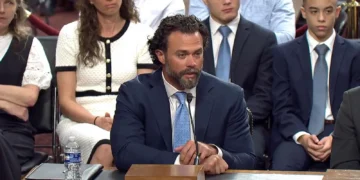
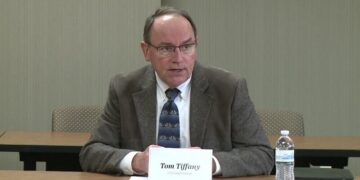
Wisconsin GOP lawmakers have called for another tuition freeze, since this is the fourth tuition increase since the freeze ended in 2023. The one lone vote, Regent Timothy Nixon, voted against the increase. Nixon felt the raising of tuition would burden students and parents with higher costs.
“The only thing that the people who control the checkbook and the people that vote for the people that control the checkbook will hear is that we’re increasing tuition four years in a row,” Nixon said at the finance committee meeting.
The UW system has also received a $256 million increase in state funding, despite the tuition increase. The tuition increase itself is expected to generate approximately $21.9 million in additional revenue. Republican State Sen. Eric Wimberger noted that the UW System has added 2,400 non-faculty staff positions over the past decade while enrollment declined by 16,000 students.
The Bureau of Labor Statistics shows that health care and social assistance will be the fastest-growing job sector from 2024-2034, adding about 2 million jobs. Most of which require collegiate degrees for.
However, trade workers such as electricians are also projected to grow 9% over the same period, with about 81,000 jobs opening each year. Many of which do not require a bachelor’s degree, but rather specialized training. This tuition increase makes decisions for high school students more complex, as AI also continues to become a prevalent player in post-graduate employment.