

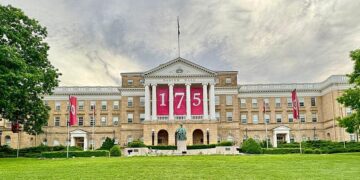

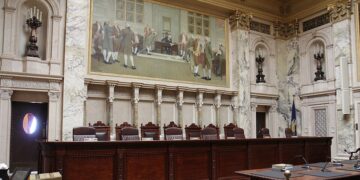



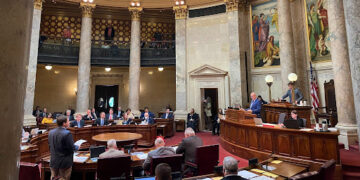



The Wisconsin Assembly Committee on State Affairs passed a resolution on January 21, 2026, following significant pushback against a proposal to skyrocket livestock registration costs by nearly 1,700 percent. Initially proposed in September 2025, the fee increase would have been the first in “America’s Dairyland” in more than 15 years.
Assembly Bill 627 passed with a 7-3 vote. The major hike in license and registration fees would have primarily affected livestock markets, dealers, and truckers. The Department of Agriculture Trade and Consumer Protection (DATCP) classifies these fees under “Animal Market Class A” licenses, which permits the operation of a facility for buying, selling, or auctioning livestock and wild animals on an unlimited number of days during the license year.
Auction barns, livestock dealers, and transporters were set to see an increase from $420 to $7,430, according to the proposal. The increases included the registration fee for the nearly 1,000 truckers transporting livestock in-state of 517 percent from the current price of $60 to $370. The assessment presented in December 2025 was based on inflation from June 2007 to August 2025 and the DATCP chose this timeframe based on the last time the rule was taken up.
After the initial proposal, the DATCP held a public comment period to invite farmers, industry groups, and other stakeholders to provide feedback in Fall 2025. They received comments that emphasized prioritizing funding for animal health and welfare, as well as expanding funding and revenue sources for the regulatory program. Several agricultural unions including the Wisconsin Farmers Union (WFU) expressed concern for the repercussions on the industry at-large if government surcharges became untenable for the average agricultural industry employees and owners.
Outrage from the community has also been swift online. (RELATED: Madison High School Drag Show Invites Controversy and Draws Outrage)
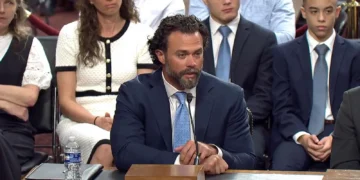
Despite the current vote, the DATCP expressed plans to seek changes in the future. DATCP Secretary Randy Romanski said in the Assembly testimony that the programs had a negative cash balance of $267,000 at the end of last fiscal year. Romanski testified that he and DATCP were eager to discuss future opportunities to negotiate underfunded programs, including Governor Tony Evers’ last budget proposal.