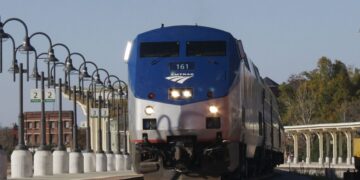











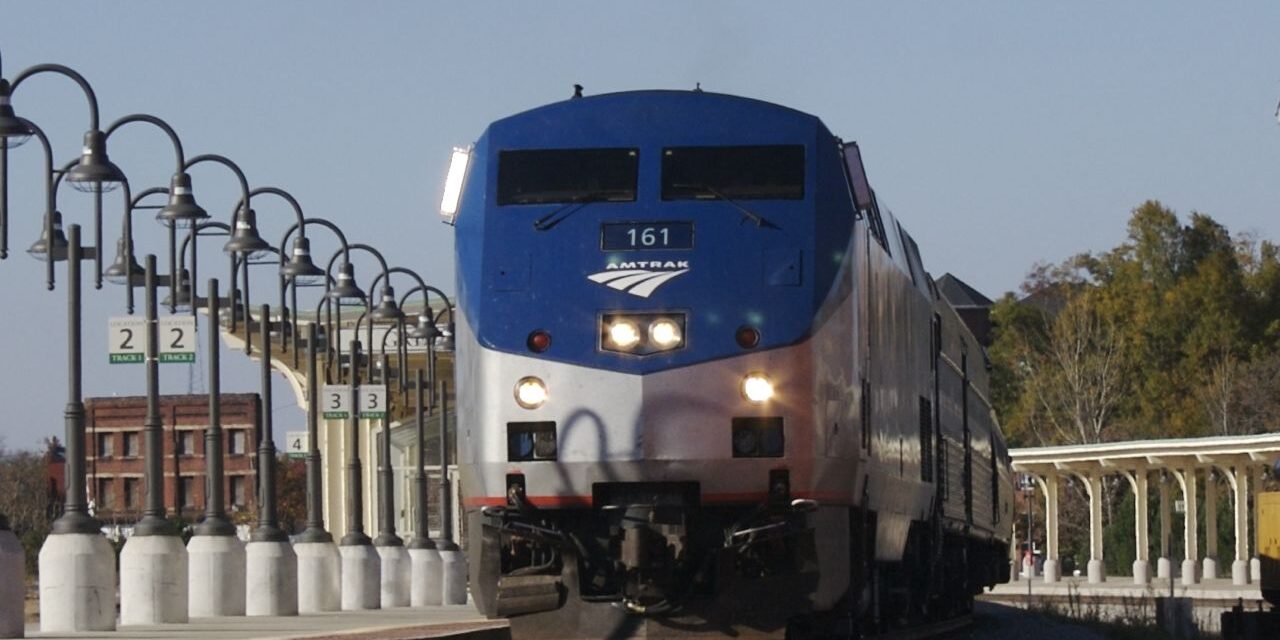
Wisconsin is moving closer to expanding passenger rail service following the announcement of more than $218 million in federal funding for Amtrak’s proposed Hiawatha West project.
The expansion would connect Milwaukee and Madison with stops to communities in Waukesha, Jefferson, and Dane counties. The funding, announced October 16th by Gov. Tony Evers and U.S. Sen. Tammy Baldwin, provides a significant step forward for a project that has faced years of debate and financial uncertainty. Madison and the surrounding communities would be extended from the existing Chicago-Milwaukee Hiawatha line. The proposed plan has stops in Pewaukee, Watertown, and then Madison. (RELATED: CHAMPIONS: The Milwaukee Brewers have won their first World Series in Franchise history)
The Federal Railroad Administration awarded funding through its Consolidated Rail Infrastructure and Safety Improvements (CRISI) Program, which supports improvements to railroad infrastructure and transportation safety. Amtrak announced the funding will help improve existing rail infrastructure, including track capacity and safety measures. The improvements also benefit freight transportation and existing passenger routes such as the Borealis and Empire Builder, which also come through Wisconsin.
The project carries an estimated cost of $272.8 million, with federal funding covering approximately 80% of the total. Wisconsinites would be responsible for approximately $54.6 million, alongside future operating costs. However, this approval specifically does not guarantee that construction will begin immediately. State lawmakers still have to authorize Wisconsin’s financial contribution.
Amtrak estimates that the completed expansion could generate approximately $46 million in annual regional economic benefits, support 200 permanent jobs, and attract an additional 278,000 passenger trips annually. (RELATED: Tiffany Calls for Mandatory ICE Cooperation as Wisconsin Sheriffs Remain Divided)
This will be the first legitimate rail project that connects Milwaukee and Madison since 2010. Former Governor Scott Walker rejected approximately $810 million in federal funding intended for a high-speed rail connection between Milwaukee and Madison. Walker instead wanted the funding to go towards Wisconsin’s highways and bridges instead, while also citing the high maintenance costs. The decision effectively ended that proposal, leaving Madison without passenger rail service. Service could begin as early as 2030, provided the project receives its remaining financial commitments and necessary approvals.