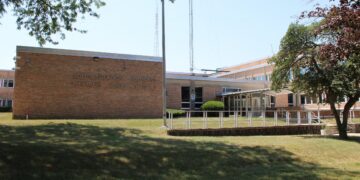














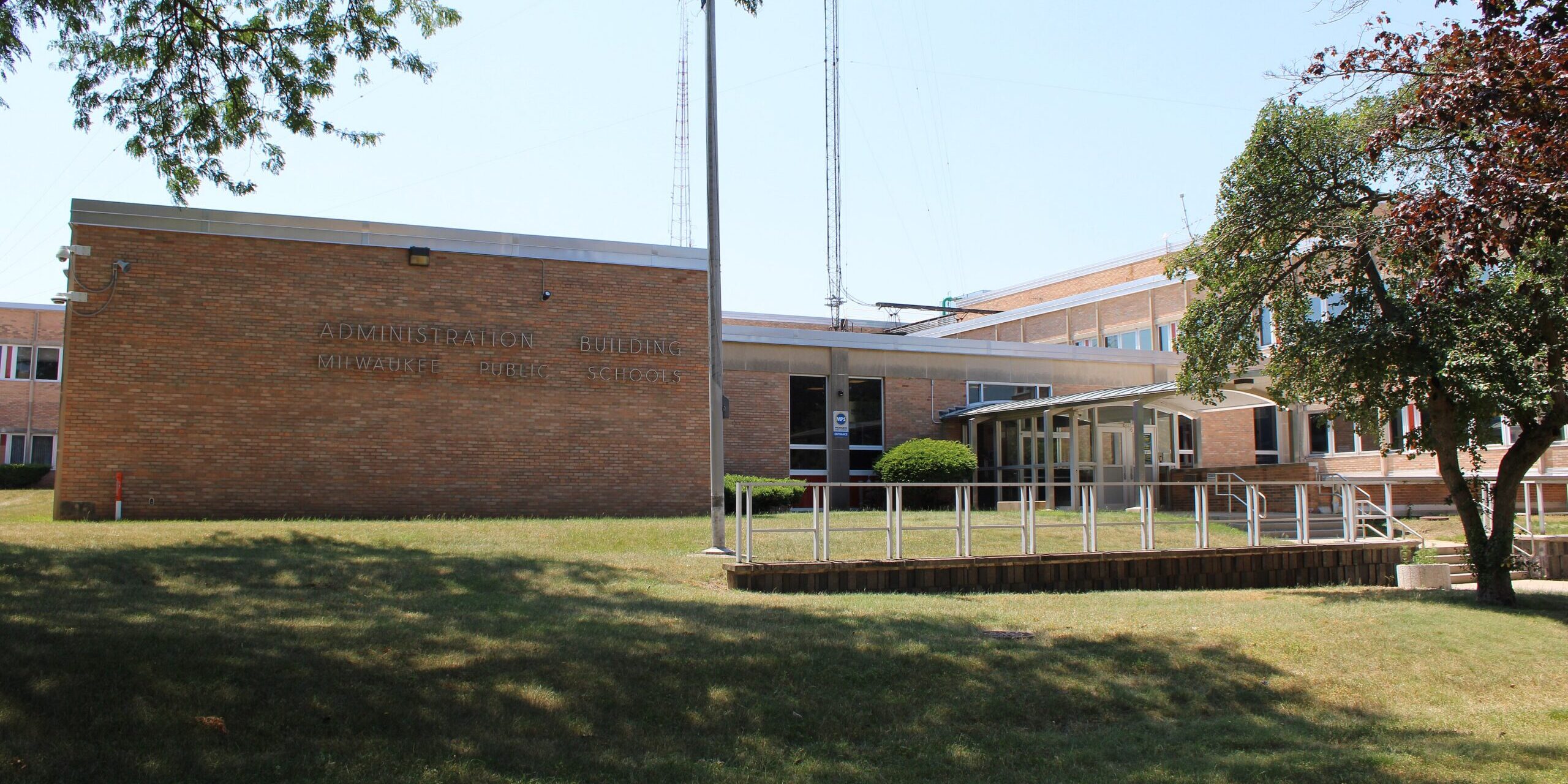
Milwaukee Public Schools (MPS) closes its classrooms and offices for celebrations honoring the Brewers’ first World Series championship.
The Brewers secured their first World Series championship Wednesday night with a 4-1 victory over the Tampa Bay Rays in Game 5, winning the series four games to one. Rookie Cooper Pratt drove in two runs, while pitcher Jacob Misiorowski delivered 5.2 scoreless innings and left with a cramp. This was the Brewers first championship after its previous World Series appearance ended in defeat against St. Louis in 1982.
Milwaukee’s Parade of Champions begins Friday at 10 a.m. near North Fourth Street and West Wisconsin Avenue, traveling through downtown to the Summerfest grounds. A rally and fan festival will follow at the grounds, where gates open at 8 a.m. MPS Superintendent Brenda Cassellius said the district considered transportation, staffing, food deliveries and student safety before deciding to close all schools and district offices. (RELATED: Billions in Improper Medicaid Payments Fuel Calls for Greater Oversight)
The Wauwatosa School District also canceled Friday classes in recognition of the championship festivities. Unlike MPS, Wauwatosa plans to keep its scheduled before- and after-school programs, athletics and recreation activities running while making child care available to families who need it. For MPS, there will also be no other rec events or MPS sponsored events besides playoff high school competitions.
Despite the Brewers win, MPS is still struggling, and recent testing further confirms that. According to October results of Wisconsin’s Forward Exam, just 25.1% of MPS students in grades three through eight met English language arts proficiency standards, while 20.1% were proficient in math. (RELATED: Tiffany Calls for Mandatory ICE Cooperation as Wisconsin Sheriffs Remain Divided)
In its 2026–27 budget materials, MPS identified a $46 million gap between expenses and revenues during the 2024–25 fiscal year. The district cited transportation and food-service costs, stagnant state funding, declining birth rates and the expiration of federal pandemic assistance.